
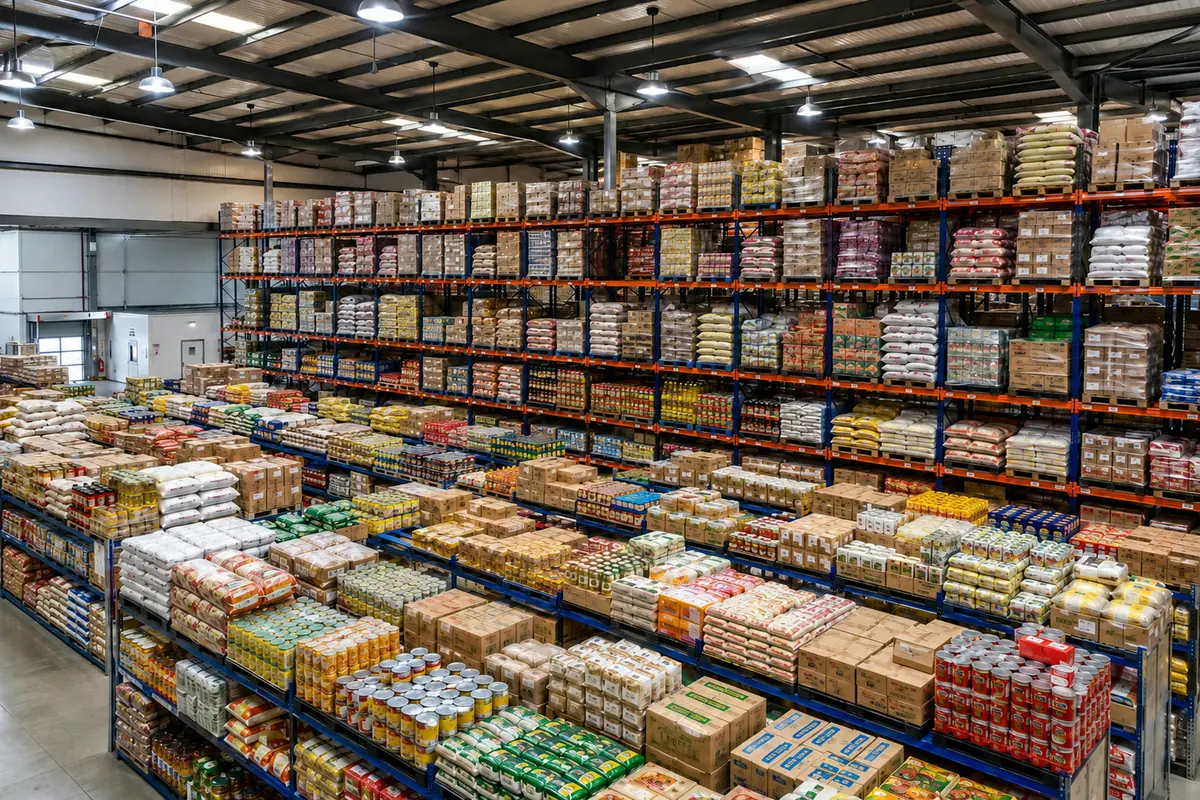
Buy excess and liquidation stock wholesale, for businesses
We sell excess, surplus, end-of-line and liquidation stock to businesses only: retailers, discount stores, online sellers, market traders, wholesalers, exporters and charities. Join our private buyer list, tell John what you buy, and he'll email you parcel offers that match. You'll hear back from John the same business day.
- 30+ years buying excess stock
- Reply the same business day
- Confidential & discreet
- We can buy the whole parcel
If you buy stock to resell, we may have parcels for you. Coorey and Co has been buying and selling excess stock for over 30 years from our Sydney office. We buy overstocks, discontinued lines, short-dated and liquidation stock from manufacturers, importers, retailers and insolvent businesses, then sell it on to businesses like yours.
We don't run a public stock list or an online shop. Offers go privately to the buyers on our list, matched to what each one buys.
Who do we sell stock to?
We sell to businesses only. That includes:
- Retailers and discount stores looking for branded or end-of-line stock at a sharper price.
- Online sellers who can move clearance stock quickly, where the parcel allows online sales.
- Market traders who want mixed or smaller parcels.
- Wholesalers and distributors who split parcels for their own customers.
- Exporters who ship to markets where Australian brands are welcome.
- Charities that buy goods for their programs or op-shops.
We don't sell to the public. Each type of buyer wants something different, and that's exactly why we ask what you buy before we send anything. There's more on this in our guide to who buys excess stock in Australia.
What kinds of stock parcels come up?
Almost anything a business can end up with too much of. Over the years we've bought and sold food, general merchandise, licensed products, personal care, clothing, soft drinks, paint, electrical products, toys, shoes, confectionery, cosmetics, batteries, cleaning products, hair care and much more. Some parcels are big: we've sold 37 semi-trailers of short-dated orange juice and 27 semi-trailers of a discontinued paint product.
Most parcels fall into a few types:
| Type of stock | What it usually is |
|---|---|
| Overstock | Good stock a business bought too much of |
| End of line / discontinued | Lines a brand has dropped or repackaged |
| Short-dated | Food or grocery with limited shelf life left |
| Liquidation stock | Stock from administrations, liquidations or closing businesses |
| Seasonal | Christmas or summer stock after the season |
To give you a feel for it, here are parcels like the ones that come up:
- 6,700kg of diced cranberries and 2,400kg of diced blueberries, a food overstock.
- 24,000 Christmas decorations left over after the season.
- 43,000 packets of branded gum.
- Leading brand workwear: shorts, pants, overalls, jackets and vests.
- A licensed children's products parcel from a company liquidation.
These are past examples of the type of stock, not current offers.
How does the buyer list work?
You register once, and John emails you offers that match. It works like this:
- Register. Fill in the form below and tell us what you buy, where you sell and what size parcels suit you.
- John emails matching offers. When a parcel comes in that fits, he sends you the details privately.
- You reply or make an offer. Ask questions, request photos, or put a price forward.
- Terms are agreed per parcel. Price, payment, collection or freight are worked out for each deal.
A typical offer email looks something like this:
Brand: named in the offer, or kept confidential where the seller requires it · Units: quantity listed · Total RRP: listed · Price: ex GST, or offer · Barcodes: yes or no · Shelf life: dates listed · Made in: country listed · Stock location: city or state
The format stays much the same. The stock changes every time.
Why do brand conditions matter?
Because the seller's market position comes first. Many businesses only sell their excess stock to us because we promise to keep it away from the channels they want to protect. Our first guarantee to sellers is: "We strictly follow your guidelines in relation to pricing and distribution locations."
So some parcels come with conditions, such as:
- Export only, not for sale in Australia or New Zealand.
- No online sales, or no sales on particular marketplaces.
- Region rules, such as not in a certain state or country.
- Brand confidentiality, where the brand name is held back until you're seriously interested.
When you buy a parcel with conditions, you agree to respect them. That's the deal, and it's why offers go privately to the right buyers rather than on a public list. Buyers who honour conditions keep getting offered good parcels. If you'd like to understand the seller's side, read how brands protect themselves when clearing stock.
What should I tell you when I register?
The more specific you are, the better the offers match. Tell us:
- Categories you buy, for example confectionery, health and beauty, toys or clothing.
- Where you sell: shopfront, discount chain, online, markets, wholesale or export (and which countries).
- States you operate in.
- Typical parcel size, from a few cartons to full containers.
- Whether you can collect, or need stock delivered.
- Anything you can't take, such as short-dated food or unbarcoded stock.
How do you buy clearance stock well?
Buy what you can sell, at a landed price that leaves room. A few general habits help:
- Check the dates. For food, grocery and personal care, know how much shelf life is left and how long you'll take to sell it. Our guide on what food date labels really mean covers the difference between best-before and use-by.
- Check the barcodes. Many retailers won't range stock without them. Each offer says whether the stock is barcoded.
- Check compliance labelling. Make sure labels meet the rules for where you'll sell it, including ingredients, origin and safety labelling. If you're unsure, check the official rules or ask your adviser before you buy.
- Work out the landed price. Add freight, handling and any relabelling to the parcel price before you compare it with what you'll sell it for.
- Have a sell-through plan. Know where each line will go before you commit. A cheap parcel is expensive if it sits in your warehouse.
- Ask questions. We're transparent about any issues with a parcel, such as packaging, labelling or dating. If something's not clear, ask.
This is general advice, not a guarantee of any outcome. You know your market best.
Do you also buy stock?
Yes, that's the other half of what we do. If your business has its own excess or slow-moving stock, see how we buy excess stock, or contact John directly on 0411 430 047 or john@coorey.com.
Frequently asked questions
Do you sell to the public?
No. We only sell to businesses that buy stock to resell, donate or distribute. If you're a retailer, discount store, online seller, market trader, wholesaler, exporter or charity, you're welcome to join the buyer list.
Is there a minimum purchase?
No. Parcel sizes vary a lot, from a few cartons to many pallets, and John tells you what's available in each offer. Let us know the size you usually handle so the offers suit you.
Can I see the stock before I buy?
Each offer includes the key details, and photos or samples can often be arranged. It depends on the parcel and where it's held, so ask John when you reply to an offer.
How often do offers go out?
When parcels come in that match what you buy. Stock arrives when businesses need to clear it, so there's no fixed schedule, and we can't promise every buyer will get stock.
Do you sell stock for export?
Yes. Some parcels are offered for export only, and we've sold stock overseas many times. Tell us which countries you ship to when you register.
Why don't you publish a list of stock for sale?
Because many sellers ask us to keep their brand confidential and to control where their stock ends up. Offers go privately to buyers who suit the parcel and agree to its conditions.
Keep reading
About Coorey and Co
Buying and selling excess stock for over 30 years from our Sydney office.
Who buys excess stock in Australia? Every option, compared honestly
Every type of excess stock buyer in Australia compared: stock buyers, discount retailers, auctions, eBay, donation platforms and more. Pick
Excess stock FAQ: what sellers ask us
Straight answers on selling excess stock: how offers work, payment, brand protection, collection, short-dated food and stock from liquidatio