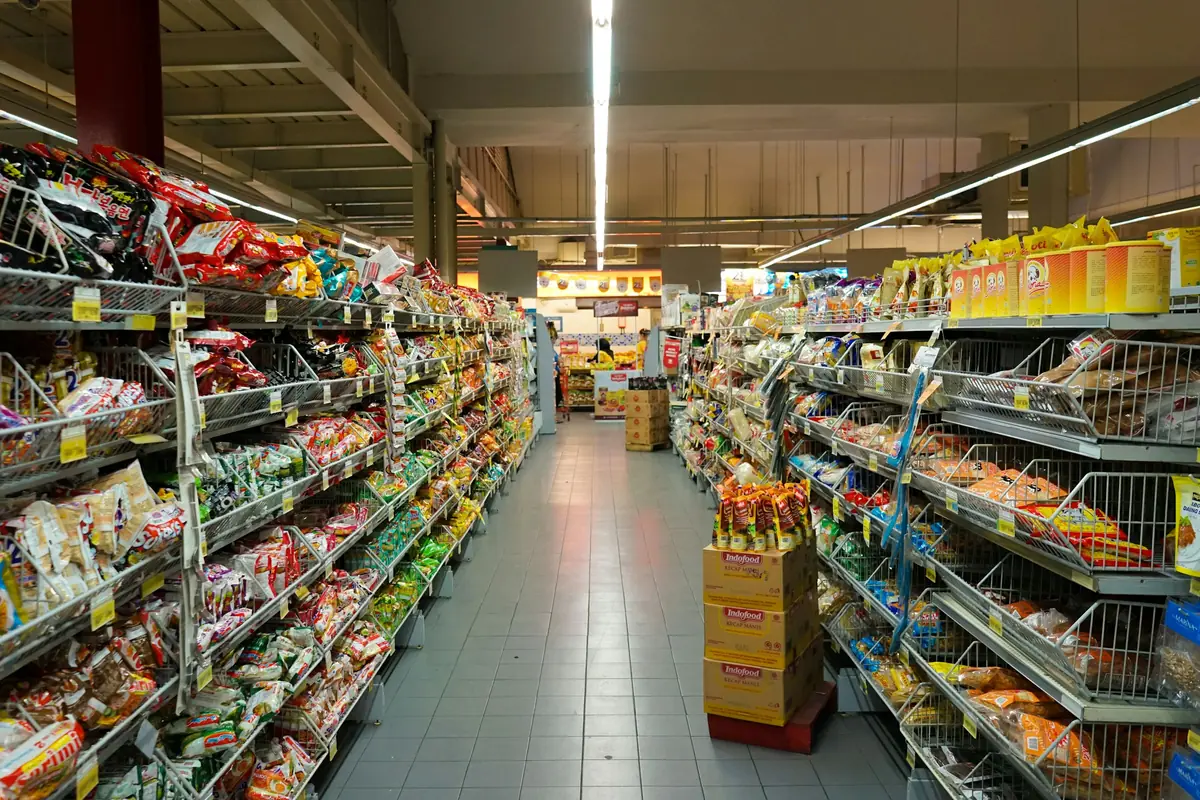
Out of date food: what that label really means in Australia
In Australia, a use-by date is about safety and a best-before date is about quality. Food past its use-by date can't legally be sold. Food past its best-before date can legally be sold, provided it is still fit for human consumption.
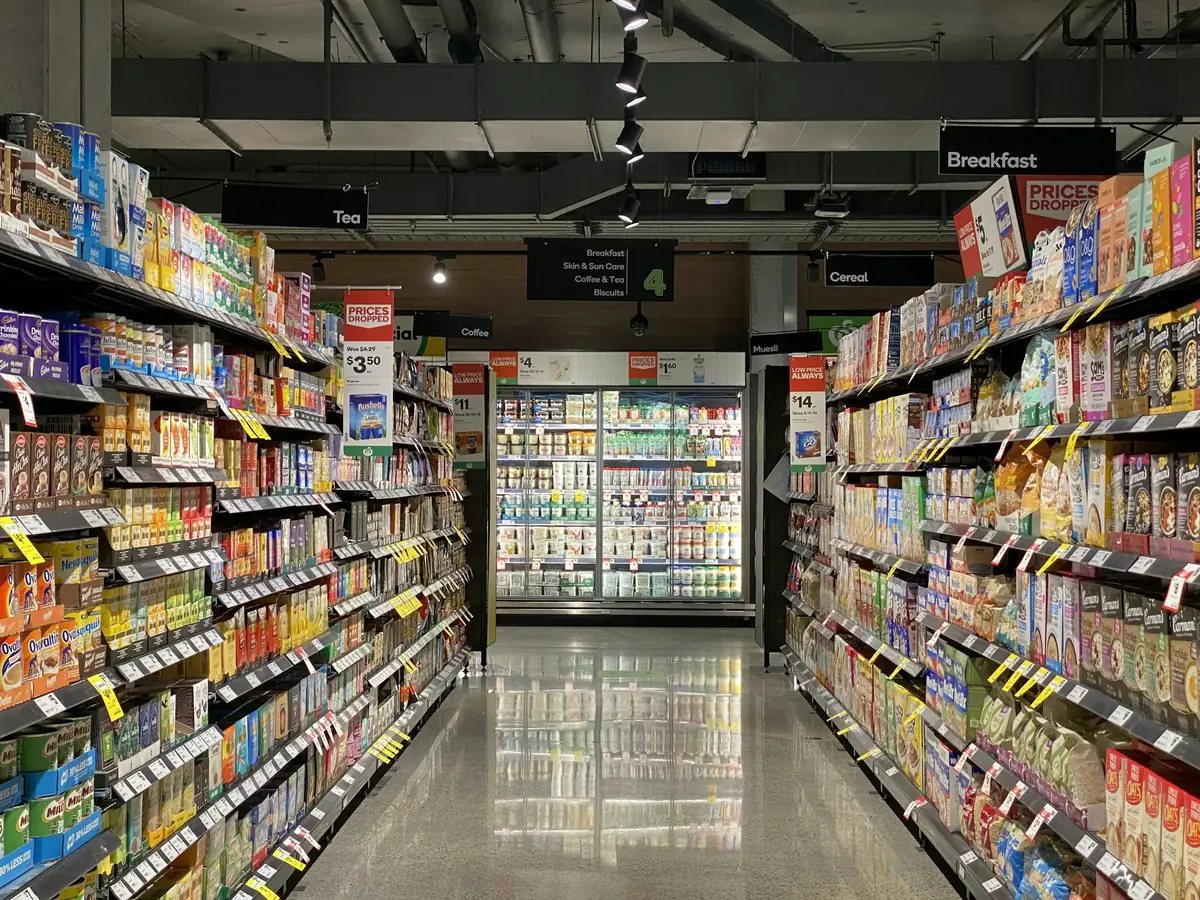
"Out of date" gets used for two very different things. One is food past its use-by date, which shouldn't be eaten and can't be sold. The other is food past its best-before date, which is usually fine and can be sold if it's still fit to eat. Mixing them up costs households money and costs food businesses a lot more.
We've been buying and selling short-dated food in bulk for over 30 years, so we read date marks for a living. This guide explains the Australian rules plainly, links the official source, and covers what businesses can do with stock that's running out of date.
What is the difference between best before and use by in Australia?
A use-by date is a safety limit. A best-before date is a quality guide.
Both are set under the national food standards (Standard 1.2.5) and explained by Food Standards Australia New Zealand (FSANZ). The food supplier decides which date a product gets and what the date is.
| Use-by date | Best-before date | |
|---|---|---|
| What it's about | Health and safety | Quality (taste, texture, colour) |
| Eat after the date? | No | Usually yes, for a while, if it has been stored properly |
| Can it legally be sold after the date? | No | Yes, provided it is fit for human consumption |
| Typical foods | Fresh meat, some dairy, ready-to-eat chilled foods | Most packaged foods: dry goods, snacks, drinks, confectionery |
FSANZ puts it directly: foods "should not be eaten after the use-by date and can't legally be sold after this date because they may pose a health or safety risk." For best-before, it says foods "can legally be sold after that date provided the food is fit for human consumption."
What does a use-by date mean?
It means the food should be eaten by that date for health or safety reasons.
Foods get a use-by date when they must be eaten within a certain time to be safe. After that date the food may look and smell normal and still not be safe. Don't use the sniff test on use-by food. If it's past the date, it goes.
For a business, this is a hard line. Food past its use-by date can't legally be sold, discounted, bundled or given away as part of a sale. It's also why we're careful with use-by stock: it needs to be moved well before the date, not on it.
What does a best-before date mean?
It means the food will be at its best quality until that date, if it's stored as the label says.
After the best-before date, FSANZ says you can still eat the food for a while because it should be safe, though it may have lost some quality. Biscuits might be less crisp. A drink might be a little flatter. Chocolate might bloom. None of that makes it unsafe.
Most foods on a supermarket shelf carry a best-before date. That's why "out of date food" is usually far less alarming than it sounds.
Can you sell food past its best-before date in Australia?
Yes. Food past its best-before date can legally be sold, provided it is fit for human consumption.
That proviso matters. "Fit for human consumption" means the food still has to be safe and suitable. Packaging needs to be intact. The food must have been stored the way the label says. It mustn't be spoiled, contaminated or damaged.
In practice, businesses selling past-best-before food usually:
- Check the stock is in good condition and the packaging is sound.
- Confirm storage has met the label's conditions the whole way through.
- Make it clear to the buyer that the product is past its best-before date.
- Keep records of where it came from and where it went.
Food law is enforced by each state and territory, so the details of how this is checked can differ. If you run a food business, confirm your obligations with your state or territory food authority (in NSW, that's the NSW Food Authority). This guide explains the general rule; it isn't legal advice.
Can you sell food past its use-by date?
No. Food past its use-by date can't legally be sold in Australia.
There's no discount deep enough to change that. If you're holding use-by stock, the time to act is while there's still enough life left for a buyer to sell it through. That's often weeks, not days, depending on the product and the channel.
What about bread and "baked on" or "baked for" dates?
Bread is the one exception. FSANZ says bread with a shelf life of less than seven days can be labelled with a "baked on" or "baked for" date instead of a best-before or use-by date.
"Baked on" tells you the day it came out of the oven. "Baked for" is used when bread is baked late at night for sale the next day. No other food gets a different date mark.
Why do some foods have no date at all?
Food with a shelf life of two years or longer doesn't need a best-before date. FSANZ gives some canned foods as the example: they can keep their quality for many years, so a date wouldn't be a useful guide.
Some foods are also exempt from full labelling altogether, such as some food sold unpackaged. If you're unsure whether your product needs a date mark, check the standard or ask your food authority.
Does storage change the date?
Storage doesn't change the printed date, but the date only holds if storage is right.
If a food needs particular conditions to last until its date, the supplier must say so on the label, for example "keep refrigerated". A yoghurt left out of the fridge won't last to its use-by date. A carton of cereal stored in a hot, damp shed may be unfit well before its best-before date.
For buyers of short-dated stock, storage history is as important as the date itself. When we look at a food parcel, we want to know where it's been sitting and how.
How do you tell if past-best-before food is still OK?
Look at it, smell it and check the packaging. For best-before food that has been stored properly, that's usually enough.
Things that suggest it's not fit to eat:
- swollen, rusted, leaking or badly dented cans
- broken seals, torn packaging or signs of pests
- mould, an off smell or an unexpected texture
- products that should have been chilled and weren't
None of this applies to use-by food. Past use-by, the answer is no, however it looks.
Some people should be more cautious with any food near its date, including pregnant women, young children, older people and anyone with a weakened immune system. FSANZ has food safety basics for consumers.
Why does this matter for food waste?
Because a lot of good food is thrown out by people who read "best before" as "throw out after".
Every carton of past-best-before food that's binned when it could have been sold or eaten is wasted product, wasted freight and wasted money. For a manufacturer or importer, getting short-dated stock into a channel that can sell it is better than landfill on every count.
The channels that take short-dated and past-best-before food include discount grocers, clearance outlets, wholesalers, export buyers and food charities. Each wants different dates, quantities and prices. That's the part we handle.
What should a business do with short-dated food stock?
Act early. Every week you wait, the stock is worth less and fewer buyers can take it.
Short-dated stock usually comes from ordinary business problems: a cancelled order, a forecast that was too optimistic, a label change, a retailer that won't receive product with less than a set amount of shelf life left. John Coorey has seen most of them. One parcel we sold was 37 semi-trailers of short-dated orange juice.
Here's what we suggest:
- Separate the use-by and best-before stock. Use-by stock is the urgent part.
- Pull together a stock list. A spreadsheet with SKU, description, quantity, cost or RRP if you're happy to share, and the best-before or use-by date for each line.
- Add photos and the location. Pallets, cartons and a close-up of the date mark.
- Tell us your rules. If you don't want the product turning up near your regular customers, say so. Our first guarantee is: "We strictly follow your guidelines in relation to pricing and distribution locations."
- Send it to us. Email john@coorey.com or call 0411 430 047.
John discreetly surveys the market to work out what the stock is worth. In most cases he makes an offer to buy all of it. If buying the whole parcel isn't possible, he gives his best advice on how to sell it. There's no fee for that.
You can read more about how we buy short-dated stock and the food and grocery stock we buy. If you're weighing up using a broker, see should you hire a food broker. And if you're a shopper looking for discounted food, our guide to out of date food bargains covers what's safe and legal to buy.
The short version
- Use by means safety. Don't eat it after the date. It can't legally be sold after the date.
- Best before means quality. It's usually fine for a while after the date and can legally be sold if it's fit to eat.
- Baked on / baked for is for bread with a shelf life under seven days only.
- No date is allowed for foods that last two years or more.
- Storage conditions on the label must be followed for any date to mean anything.
If you have food stock that's running short on date, tell us about it while there's still time to sell it.
Holding short-dated food stock?
Share the details of your stock, attach a stock list or photos if you have them, and we’ll get back to you personally.
Thank you!
If the matter is urgent please contact John Coorey directly through john@coorey.com or 0411430047.