Liquidation stock: how to sell it, and who buys it in Australia
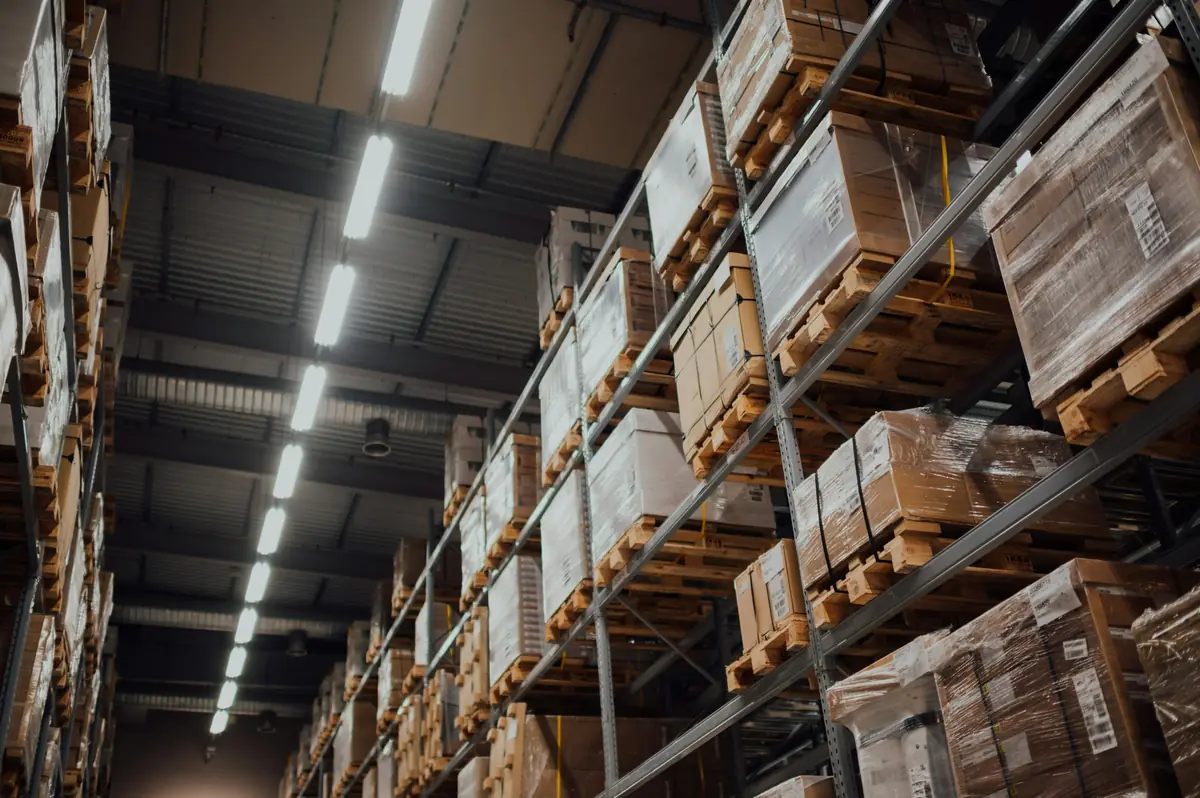
Liquidation stock is inventory sold off quickly because a business is closing, insolvent or in liquidation. It usually returns more when it's sold early, as a whole parcel, to a buyer who can move it without damaging the brand. We buy liquidation stock from businesses, administrators and liquidators across Australia and New Zealand.
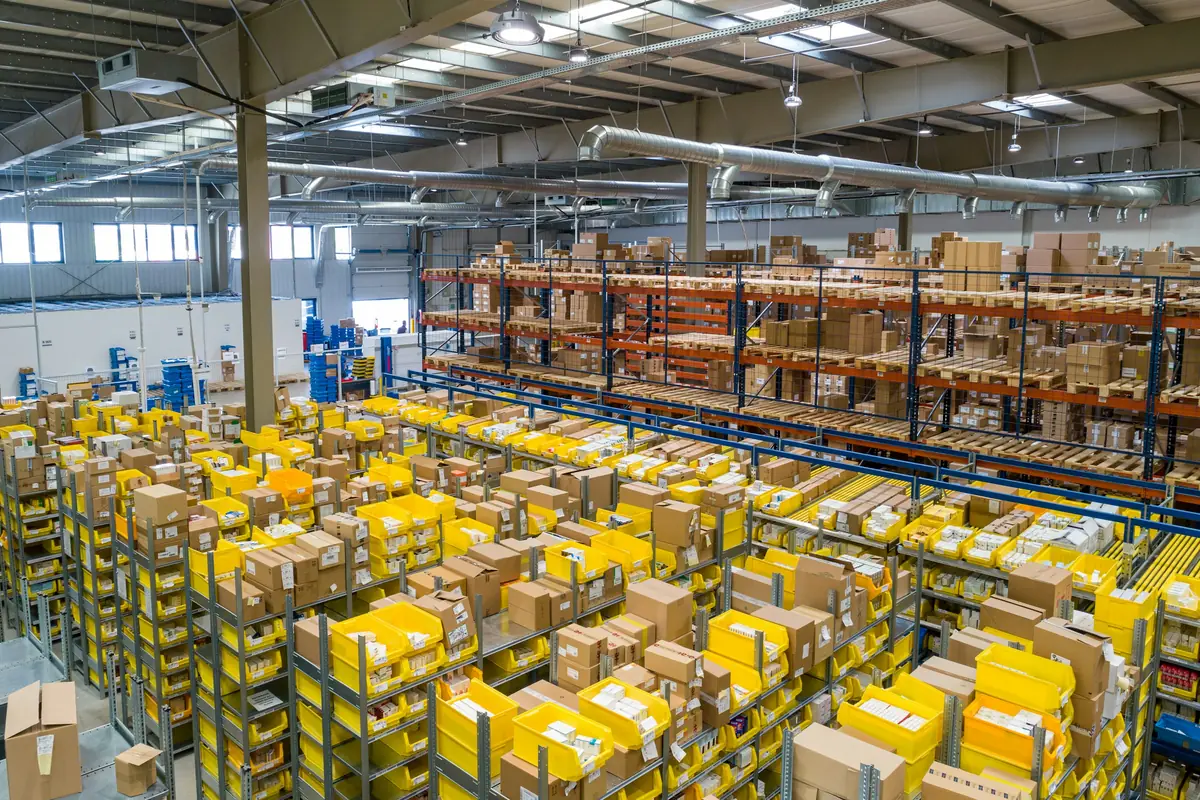
When a business is winding up, the stock is often one of its biggest assets, and one of the easiest to waste. Sold in a hurry, through the wrong channel, it can fetch far less than it should. Sold as a well-presented parcel to the right buyer, it can return much more for creditors, owners and everyone involved.
This guide is for people with liquidation stock to sell: directors of struggling businesses, owners closing down, and the administrators and liquidators who handle the sale. If you're looking to buy liquidation stock for sale, there's a short note on that at the end.
What is liquidation stock?
Liquidation stock is inventory that has to be sold quickly because the business holding it is closing, restructuring or in formal insolvency.
The term is used loosely. It covers stock sold by a company in liquidation, but also stock cleared before a planned closure, after a voluntary administration, or when a retailer shuts stores. In every case, the stock itself is usually fine. The problem is the circumstances, and the need for speed.
What happens to stock when a company goes into liquidation?
Once a liquidator is appointed, they take control of the company's assets, including stock, and sell them.
According to ASIC's guide for creditors, a liquidator's role includes protecting, collecting and selling the company's assets. Sale proceeds go first towards the costs of the liquidation, then to priority creditors such as employees, then to unsecured creditors, subject to the rights of secured creditors. ASIC describes the two common types of insolvent liquidation: a creditors' voluntary liquidation, which is the most common, and a court liquidation.
That's general information only. If your company is in financial difficulty, talk to your accountant or a registered liquidator. Our guide on company liquidation covers the common mistakes we see.
Why is liquidation stock harder to sell?
Liquidation stock is harder to sell because buyers worry about the risks that come with a business that won't be around afterwards.
- No after-sales support. Once the business is gone, nobody handles warranty claims, returns or customer questions.
- Unknown condition. Buyers worry about faults, missing parts and stock that's been stored badly.
- Time pressure. Everyone knows the seller needs to move fast, so buyers expect a lower price.
- Mixed and incomplete lines. Closing businesses often have a little of a lot of things.
- Title and paperwork. Buyers want confidence that the seller has the right to sell.
Every one of those concerns lowers the price. The good news is that most of them can be reduced.
Is it better to sell stock before liquidation?
Often, yes, when it's done properly and with advice. A business that's still trading can present its stock well, answer questions and supply paperwork, and buyers are less wary. Once a business is in liquidation, buyer confidence drops and offers tend to drop with it.
The important caution: if a company may be insolvent, directors have legal duties, and selling assets cheaply or to the wrong people can create serious problems. Get advice from your accountant or a registered insolvency practitioner first. ARITA is the professional body for insolvency practitioners in Australia. We'll give you an honest market view of the stock, but we don't give legal or insolvency advice.
How do you get the best price for liquidation stock?
You get the best price by reducing the buyer's risk and moving early.
- Prepare a clean stock list. SKU, description, quantity, cost or RRP if you're happy to share, and best-before dates where relevant.
- Take good photos. Show the product, the packaging, the cartons and how it's stored.
- Be honest about problems. Faults, damaged packaging, short dates or missing parts all come out eventually. Disclosed upfront, they rarely kill a deal.
- Keep the parcel together. Selling the best lines first often leaves a remainder nobody wants.
- Gather paperwork. Invoices, specifications and compliance documents give buyers confidence.
- Set your channel rules. If the brand or a licensor needs protecting, say where the stock can and can't go.
- Move early. Value falls with time, especially for dated, seasonal or fashion stock.
What does liquidation stock look like in practice?
It varies with the business. A few common situations:
- A wholesaler or importer winding up with containers' worth of a few lines, often still in master cartons.
- A retailer closing stores with a little of a lot: mixed sizes, colours and part cartons.
- A manufacturer in administration with finished goods, plus packaging and components.
- A food business closing with stock on a clock, where best-before dates make speed critical.
- A licensed-product business where the licence ends with the business, which limits where stock can go.
Each needs a different buyer. Bulk single lines suit discount chains and exporters. Mixed retail stock suits wholesalers and clearance buyers. Short-dated food needs buyers who can move it before the date. Part of our job is matching the parcel to the right buyer, or splitting it across several.
What should administrators and liquidators look for in a stock buyer?
Look for a buyer who can take the whole parcel, act quickly and keep the sale clean.
- Buys outright. A firm offer for the lot is simpler than consignment or a broker's fee.
- Pays as agreed. Payment terms in writing, and kept.
- Respects restrictions. Licensors, brand owners and secured creditors may have conditions on where the stock goes.
- Is discreet. A quiet sale protects the value of the stock and the brand.
- Is honest about problem stock. Faults and short dates should be disclosed to end buyers, not hidden.
What are the ways to liquidate inventory?
| Option | Speed | Price | Control over where stock goes | Effort |
|---|---|---|---|---|
| Closing-down sale to the public | Medium | Mixed, heavy discounts late | Low | High |
| Auction | Fast | Set on the day by who turns up | Low | Low to medium |
| Online marketplaces | Slow | Variable | Low | High |
| Sell to a stock buyer as one parcel | Fast | Reflects the clearance market | High | Low |
| Donation | Fast | No cash return | High | Low |
Auctions suit mixed equipment and assets, and sometimes they're the right choice. For saleable stock, a buyer who resells through a controlled network usually gives better protection to the brand and less work for whoever is running the sale. There's more on the difference in clearance vs liquidation.
Who buys liquidation stock in Australia?
Liquidation stock buyers include clearance specialists, discount retailers, wholesalers, exporters and auction houses. We're one of them.
We've been buying and selling stock for over 30 years from our Sydney office, and we buy from anywhere in Australia, from New Zealand and internationally. We buy the parcel ourselves and resell it to major retailers, discount chains, overseas buyers, charities, wholesalers and distributors. We don't charge sellers fees.
How selling liquidation stock to us works
- Send the details. The stock list, photos, quantities, dates and location.
- We survey the market. John discreetly checks what our buyers will pay.
- We make an offer. In most cases, we offer to buy the whole parcel. If that isn't possible, John gives you his best advice on how to sell it.
Collection is flexible: we can arrange it, or the stock can be delivered, agreed per parcel. There's no minimum size.
Working with administrators and liquidators
We work closely with insolvency practitioners and want to do more of it. They like working with us: we buy the parcel outright and work discreetly. If you're an administrator or liquidator with stock to clear, see our page for administrators and liquidators.
Our four guarantees
- "We strictly follow your guidelines in relation to pricing and distribution locations."
- "We send payment promptly, as per our agreed terms."
- "We place a priority focus on clearing your stock."
- "We speedily and discreetly convert your stock into cash at the highest possible price, without damaging your market position."
Examples of liquidation stock we've handled
- 400,000 digital photo prints from a business liquidation
- A homewares parcel of 1,400 units
- Licensed children's products
If the business is closing rather than in formal insolvency, our page on closing-down business stock covers that situation. For bankrupt stock, the process is different again.
Looking for liquidation stock for sale in Australia?
We're not a retail liquidation store, and we don't sell to the public. We buy liquidation stock from businesses, administrators and liquidators, then resell whole parcels to trade buyers. If you're a retailer, wholesaler, distributor or exporter who buys clearance parcels, contact us and tell us what categories you buy.
If you have liquidation stock to sell, send us the details. The earlier we see it, the more we can usually do with it.
Need to liquidate inventory?
Share the details of your stock, attach a stock list or photos if you have them, and we’ll get back to you personally.
Thank you!
If the matter is urgent please contact John Coorey directly through john@coorey.com or 0411430047.