
Selling excess stock on eBay and auction sites: when it works, and when it doesn't
Selling excess stock on eBay, Marketplace or online auctions works well for small quantities of branded, easy-to-post items when you have time to list them. For large parcels, bulky or short-dated stock, or brands you need to protect, the fees, effort, competition and public pricing usually make a single sale to a stock buyer the better option.
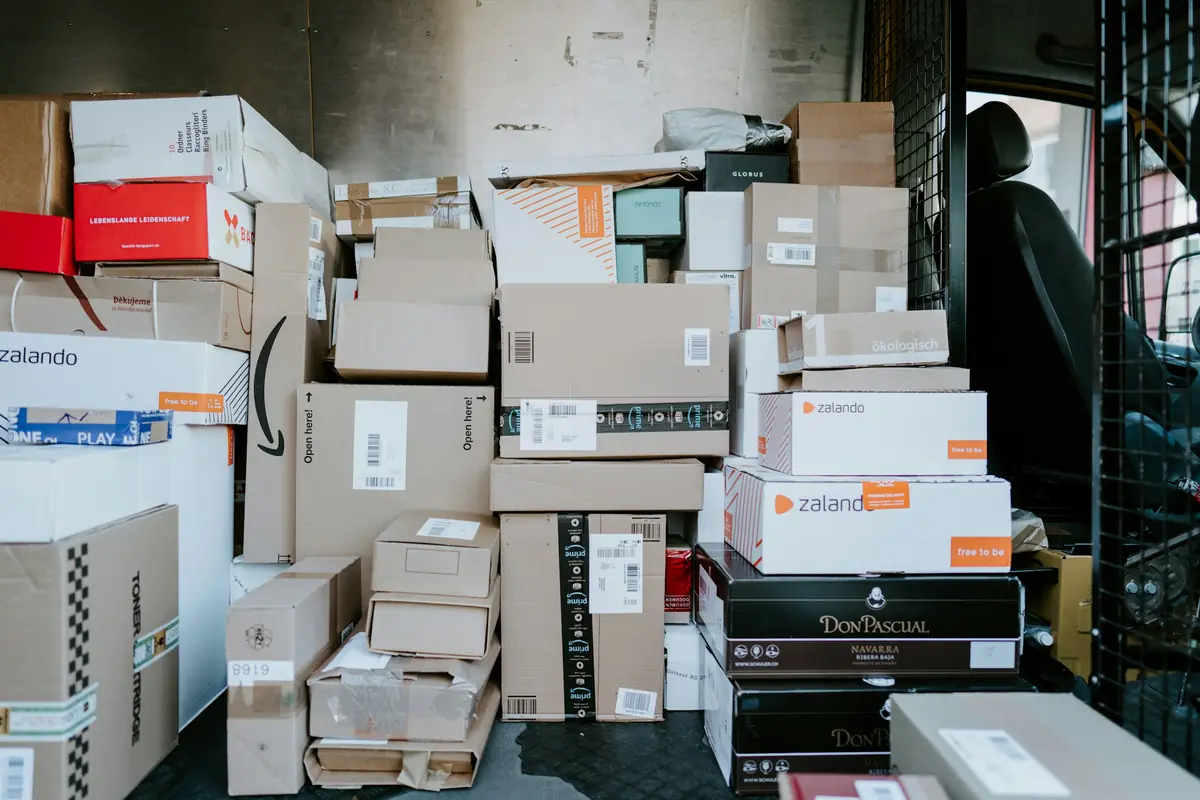
When you're sitting on excess stock, eBay or an online auction looks like the obvious answer. Huge audience, low barrier to entry, and you can start tonight. Sometimes it is the right answer. Often it isn't, and the reasons are usually time, cost and who ends up seeing your prices.
We buy excess stock for a living, so we have a view. We'll still tell you when selling online is the better choice.
Should I sell excess stock on eBay or an online marketplace?
Yes, if the quantity is small, the product is branded and easy to post, and you have time to list, answer questions and ship. Otherwise, probably not.
Online marketplaces (eBay, Facebook Marketplace, Amazon and similar) sell to consumers one order at a time. That suits a few hundred units of something people search for by name. It suits a container of washing powder much less. We once bought 19 containers of it in New Zealand and sold them to Singapore. Nobody was listing that one carton at a time.
The real costs of selling excess stock online
The headline selling fee is only part of the cost. Add it all up before you decide.
- Platform fees. Final value or commission fees on each sale, and on some platforms listing, promotion or store fees. They differ by platform and category and change often, so check the current fee page.
- Payment fees. Usually charged per transaction.
- Postage and packing. Cartons, satchels, labels, and the time to pack each order.
- Photography and listing. Every product needs photos, a description and a price.
- Customer questions. Buyers message, and they expect fast replies.
- Returns and disputes. Consumers can change their minds, and marketplaces tend to side with buyers.
- Your time. The hours spent on all of the above are hours not spent on the core business.
On a few hundred units that's manageable. On a few thousand it becomes a part-time job.
Do online auctions get a good price for excess stock?
Sometimes, but there's no guarantee. Auction prices depend on who turns up that day.
Online and liquidation auctions are fast, and they suit equipment, fit-out and mixed lots. The downsides for stock:
- Supply often outruns demand. Popular categories are crowded with similar listings, so prices get pushed down.
- Reserve prices protect you, but unsold lots still cost you in time, and sometimes in fees, depending on the platform.
- You don't choose the buyer. Whoever wins takes it, and they can resell it anywhere at any price.
- Leftovers. The good lines sell; the awkward ones come back.
The biggest risk: everyone can see your prices
Online listings are public, they show up in search results, and they stay visible long after the sale ends.
For a business with retail or wholesale customers, that's the real problem. A retailer who pays full trade price doesn't want to find the same product on eBay at half that. A distributor may wonder why you're clearing stock. Customers learn to wait for the next sale. For a brand owner, an unauthorised online price can do more damage than the clearance is worth.
A private sale avoids this. We follow your guidelines on price and where the stock goes, and we keep it away from channels you want to protect. See how to protect your brand when clearing stock.
Does the type of stock change the answer?
Yes, a lot. Some products suit online sales; others are a headache.
- Food and grocery. Dates are the issue. By the time listings are up and orders come in, short-dated stock can be shorter still. Bulk short-dated food usually needs a buyer who can move volume quickly. See our short-dated stock page.
- Clothing and footwear. Sells online, but sizes and colours split a parcel into hundreds of listings, and returns are common. Odd sizes get left behind.
- Electrical and electronics. Online buyers expect warranty and support. Older models compete with newer ones on the same search page.
- Health and beauty. Platforms can have rules about some categories and about dated stock. Check before you list.
- General merchandise, homewares and toys. Bulky items cost a lot to post one at a time. Seasonal lines like Christmas stock have a short window.
- Licensed and branded goods. The licence or brand owner may restrict where they can be sold. Public listings make breaches easy to spot.
If your stock is in one of the harder groups, a parcel sale is usually less work and less risk.
What about selling in bulk lots online?
Bulk or pallet lots online sit between the two. You list the parcel once, and trade buyers bid. It cuts the listing work, but you still deal with questions, inspections, freight quotes and the price being public. And you still don't know who's bidding or where the stock goes next. If control over the end market matters, a known buyer who agrees to your guidelines is the safer route.
Questions to ask before you list
Before you put anything up, answer these honestly:
- How many listings will this take, and who's doing them?
- What will fees, postage, packaging and returns cost per unit?
- How long until the last unit sells, and what does it cost to store until then?
- Who might see these prices, and does that matter?
- What happens to whatever doesn't sell?
If the answers are "too many", "more than I thought", "months", "my retailers" and "I don't know", get a parcel offer to compare.
Online vs auction vs stock buyer: side by side
| eBay / Marketplace | Online auction | Stock buyer (us) | |
|---|---|---|---|
| Best for | Small quantities of branded, postable items | Equipment, mixed lots, quick exit | Whole parcels, bulky or short-dated stock, brands to protect |
| Price per unit | Highest, if it sells | Unpredictable | Wholesale price for the whole parcel |
| Speed | Slow, unit by unit | Fast once listed | One deal, in most cases for everything |
| Your effort | High | Medium | Send a spreadsheet and photos |
| Costs | Fees, postage, packing, returns | Fees, freight to auction | No fee to you |
| Who sees prices | Everyone | Everyone | Private |
| Control over where it ends up | Low | None | We follow your guidelines |
| What's left over | Slow lines | Unsold lots | Usually nothing |
When selling online really is fine
We'd rather you got the right answer than sent us something that suits eBay. Online is a good choice when:
- the quantity is small, say a few hundred units or less
- the product is light, durable and easy to post
- it's a recognisable brand people search for by name
- you're not worried about retailers or distributors seeing the price
- you, or someone in the business, has time to run it properly
It's also fine to do both: sell the easy lines online and sell the rest as a parcel. Just tell us what you're keeping so our offer reflects what's left.
When a stock buyer is the better choice
A single sale to a stock buyer usually wins when:
- there's too much to list one at a time
- the stock is bulky, heavy or on pallets
- it's short-dated or seasonal and won't wait
- it's a brand, or it's sold through retailers you need to keep happy
- you need the warehouse space or the cash, and don't have staff to spare
- some of it has a problem (labelling, packaging, dates) that would cause returns online
None of this means online selling is bad. It's a tool that suits some stock and some sellers. The mistake is choosing it by default, without comparing it to a single parcel sale on the net cash, the time it takes and the risk to your other customers.
How selling to us works
We buy the parcel ourselves and resell it through our own buyers: major retailers, discount chains, overseas buyers, charities, wholesalers and distributors. You don't pay us a fee.
- Send the details. A stock list spreadsheet (SKU, description, quantity, best-before dates, and cost or RRP if you're happy to share), photos and the location.
- We survey the market discreetly. John Coorey checks what it's worth with the buyers who suit it.
- We make an offer. In most cases for the whole parcel. If that's not possible, John gives his best advice on how to sell it, and that may well include selling some of it online.
Collection is flexible and agreed per parcel. There's no minimum size, and we buy from anywhere in Australia, New Zealand and overseas. We've been at it for over 30 years from our Sydney office.
Our four guarantees:
- "We strictly follow your guidelines in relation to pricing and distribution locations."
- "We send payment promptly, as per our agreed terms."
- "We place a priority focus on clearing your stock."
- "We speedily and discreetly convert your stock into cash at the highest possible price, without damaging your market position."
Not sure what your parcel is worth? Read how much is my stock worth, or if you've already got an offer, how to judge an offer on your excess stock. For the bigger picture on clearing stock, see sell excess stock.
Call John on 0411 430 047, email john@coorey.com, or send us your stock list.
Too much stock to list one by one?
Share the details of your stock, attach a stock list or photos if you have them, and we’ll get back to you personally.
Thank you!
If the matter is urgent please contact John Coorey directly through john@coorey.com or 0411430047.