
Company liquidation: your options, and what happens to your stock
Company liquidation is when a registered liquidator takes control of a company, sells its assets and pays creditors in a set order. Before it gets that far, voluntary administration or small business restructuring may be options, and surplus stock is often the quickest asset to turn into cash. Here is how it works in general, and where a stock buyer fits.
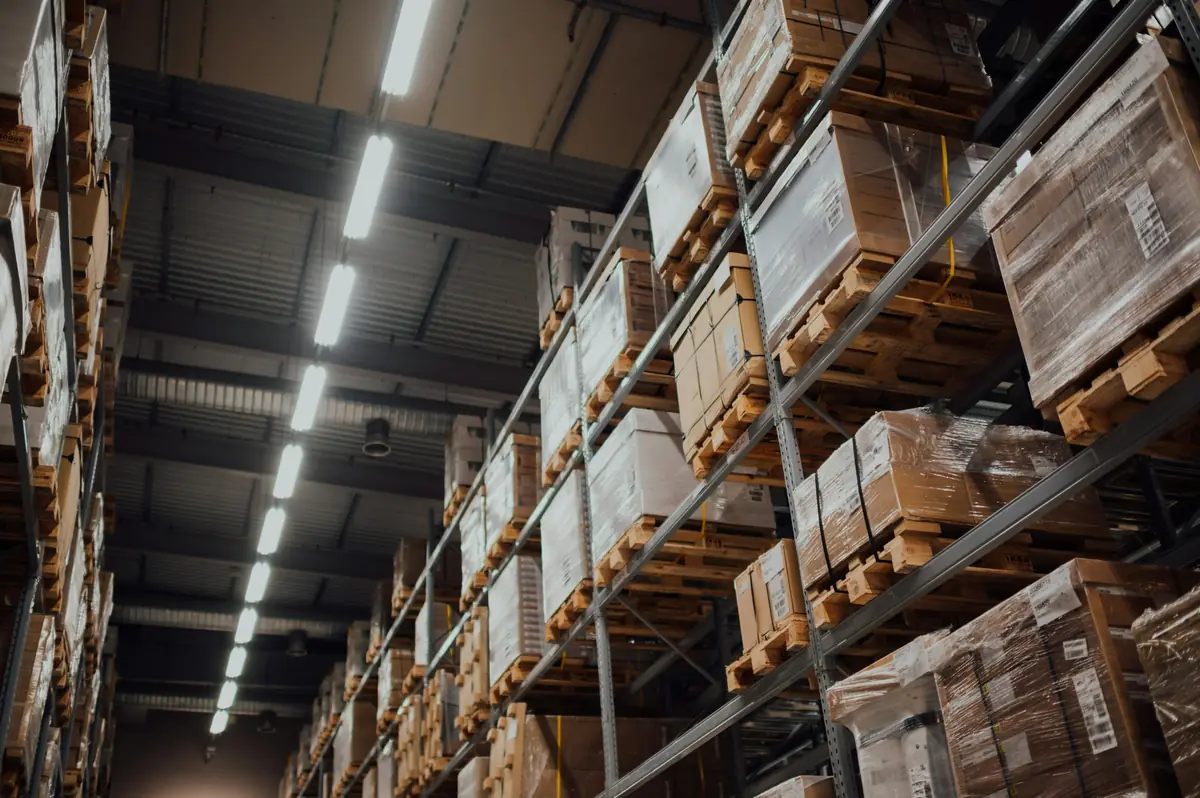
When a business is in trouble, stock is often the asset sitting right in front of you. It's in the warehouse, it has a value, and unlike a lease or a debtor ledger it can usually be turned into cash quickly. This guide explains, in general terms, how company liquidation and the alternatives work in Australia, what happens to inventory in each, and how we help directors, administrators and liquidators clear it.
One thing first. We're stock buyers, not insolvency advisers. If your company may be insolvent, talk to your accountant and a registered liquidator early. The earlier you get advice, the more options you usually have.
What is company liquidation?
Company liquidation is the orderly winding up of a company: an independent registered liquidator takes control, sells the assets and pays creditors in the order the law sets.
According to ASIC's guide to liquidation for creditors, the liquidator secures, recovers and sells the company's property, investigates its affairs and why it failed, and distributes the proceeds after costs. Secured creditors' rights come first, then priority creditors such as employees, then unsecured creditors.
Once a liquidator is appointed, directors can no longer use their powers. They hand over company property and books and must help the liquidator.
What are the main types of liquidation and administration?
There are a handful of formal processes, and they treat stock differently. The table is a general summary only, drawn from ASIC's insolvency information for directors. Your adviser will tell you which applies.
| Process | Who starts it | Who controls the business | What usually happens to stock |
|---|---|---|---|
| Creditors' voluntary liquidation | Shareholders resolve to wind up, or creditors vote for it after an administration | Liquidator | Liquidator sells it to raise funds for creditors |
| Court liquidation | A court, usually on a creditor's application | Liquidator | As above |
| Voluntary administration | Directors, if the company is or is likely to become insolvent | Administrator (a registered liquidator) | May keep trading while a sale or deed is explored; surplus can be sold |
| Small business restructuring | Directors of an eligible small company | Directors stay in control, with a restructuring practitioner | Business keeps trading; sales outside ordinary business need the practitioner's consent |
| Receivership | A secured creditor (or a court) | Receiver | Receiver sells enough secured property to repay that creditor |
A solvent company that simply wants to close can also be wound up by its members. That's a different situation with different rules, so again, ask your accountant.
Voluntary administration
In a voluntary administration, an independent administrator takes full control to try to save the company or its business. It can end in a deed of company arrangement with creditors or in liquidation. Directors must first resolve that the company is insolvent or likely to become insolvent.
Small business restructuring
ASIC's page on small business restructuring explains that eligible companies, including those with total liabilities of no more than $1 million, can keep trading while a restructuring practitioner helps them put a plan to creditors. Directors keep control. Any transaction outside the ordinary course of business needs the practitioner's written consent, so a bulk sale of stock is something to clear with them first.
What happens to stock in liquidation?
In a liquidation, stock becomes something the liquidator must sell for the best price reasonably available, and the director no longer decides who buys it or for how much.
In practice, liquidators look at a few things:
- Is anyone claiming it? Suppliers with retention of title terms, or secured lenders, may have rights over some stock.
- What's it worth, and how fast is it falling? Food has best-before dates. Fashion goes out of season. Electronics get superseded.
- What does it cost to hold? Warehouse rent, insurance and staff keep running while stock sits.
- Who can buy it all? Selling item by item takes time and money. One buyer for the whole parcel is often cleaner.
That's where we come in. Administrators and liquidators send us the stock list. We survey the market discreetly, and in most cases we make an offer for the lot. Read more on how we work with administrators and liquidators.
Why buyers pay less for liquidation stock
Liquidation stock is harder to sell than ordinary excess stock, and buyers price that in.
A buyer looking at an insolvent company's parcel worries about things they don't worry about with a healthy supplier:
- No after-sales support or warranty from the original seller
- Questions over whether the stock is complete, tested or correctly labelled
- Whether the brand owner will object to where it ends up
- Pressure to collect quickly from a site that's closing
None of that makes the stock worthless. It means the information you provide matters. A clean spreadsheet, honest notes about any problems, good photos and clear access make a parcel easier to sell and help an offer hold up.
Can selling surplus stock early help a business avoid liquidation?
Sometimes. Converting slow or surplus stock into cash can ease cash flow, but whether it changes the outcome depends on the whole business, and that's a question for your accountant.
What we see over and over is this. A business carries stock that isn't earning its keep: a range that didn't take off, an over-order, a line the retailer dropped. It sits there while the bills come in. Turning that into cash gives the owner breathing room and a clearer picture of where things stand.
If you're still trading and in control, it's worth asking:
- Which stock isn't making money? Go through the stock report line by line. Anything that hasn't moved for months is a candidate.
- What's it costing to keep? Storage, insurance, finance and the chance it ages further.
- Can I sell it without damaging the core business? Heavy public discounting can tell customers and competitors you're in trouble. A quiet sale to a stock buyer usually doesn't.
- Have I spoken to my accountant? If the company may already be insolvent, directors have legal duties. ASIC's guide on insolvent trading is the official starting point. Get advice before significant transactions.
One caution worth repeating: once a company is in liquidation, the liquidator can look back at sales made beforehand. Selling at a fair market price to an arm's-length buyer, with proper paperwork, is very different from dumping stock cheaply. We put our offers in writing and the parcel is valued against what the market will actually pay.
Discounting it yourself vs selling to a stock buyer
A clearance sale can work, but in a distressed business it carries risks a private sale doesn't.
| Run your own clearance | Sell the parcel to a stock buyer | |
|---|---|---|
| Speed | Slow; sells the best lines first | Usually one deal for the whole parcel |
| Who knows | Customers, competitors and suppliers can see it | Discreet |
| Brand impact | Deep or repeated discounts train customers to wait | We follow your guidelines on pricing and where the stock goes |
| What's left | Hard-to-sell leftovers | Whole parcel taken in most cases |
| Your time | Staff, marketing, freight, returns | Send a spreadsheet and photos |
If the stock is a well-known brand, the discreet option matters even more. See our guide on how to protect your brand when clearing stock.
How we work alongside administrators and liquidators
We buy the parcel ourselves and resell it through our own buyers. We don't charge the seller a fee to broker or advise.
Here's the process:
- You send the details. A stock list spreadsheet (SKU, description, quantity, best-before dates, and cost or RRP if you're happy to share), photos and the location.
- We survey the market discreetly. John Coorey checks what the stock is worth with buyers who suit it, without broadcasting the parcel.
- We make an offer. In most cases it's for the whole parcel. If buying it all isn't possible, John gives his best advice on how to sell it.
Collection is flexible and agreed per parcel. We can arrange it, or the stock can be delivered.
Our buyers include major retailers, discount chains, overseas buyers, charities, wholesalers and distributors. Each has different reasons for buying, so we structure the deal to suit them, while keeping stock away from channels you or the brand owner want to protect.
We stand by four guarantees:
- "We strictly follow your guidelines in relation to pricing and distribution locations."
- "We send payment promptly, as per our agreed terms."
- "We place a priority focus on clearing your stock."
- "We speedily and discreetly convert your stock into cash at the highest possible price, without damaging your market position."
We've been doing this for over 30 years from our Sydney office in Parramatta, and we buy from anywhere in Australia, New Zealand and overseas. We've sold 27 semi-trailers of a discontinued paint product, and we're just as happy with a small parcel. A couple of real examples from liquidations: a company liquidation homewares parcel of 1,400 units and 400,000 digital photo prints from a business liquidation.
If the whole business is closing
If you're shutting the doors rather than going through a formal insolvency, the stock questions are similar but you have more control over timing. Our page on closing-down business stock covers that, and our guide to clearance vs liquidation explains the difference between a planned clearance and a forced sale.
Where to get proper advice
For the insolvency side, go to the source:
- ASIC: insolvency information for directors
- ASIC: liquidation, a guide for creditors
- AFSA, if you're a sole trader or have given personal guarantees: personal bankruptcy and the liquidation of a company
Then talk to your accountant or a registered liquidator about your own situation.
For the stock, call John on 0411 430 047 or email john@coorey.com. Or send us your stock details and we'll take it from there.
Stock to clear before (or during) an insolvency?
Share the details of your stock, attach a stock list or photos if you have them, and we’ll get back to you personally.
Thank you!
If the matter is urgent please contact John Coorey directly through john@coorey.com or 0411430047.